

Preparing with a Clean Heart
Blessed are the clean of heart, for they will see God. - Matthew 5:8
“A clean heart create for me, God, renew within me a steadfast spirit.” - Psalms 51:12
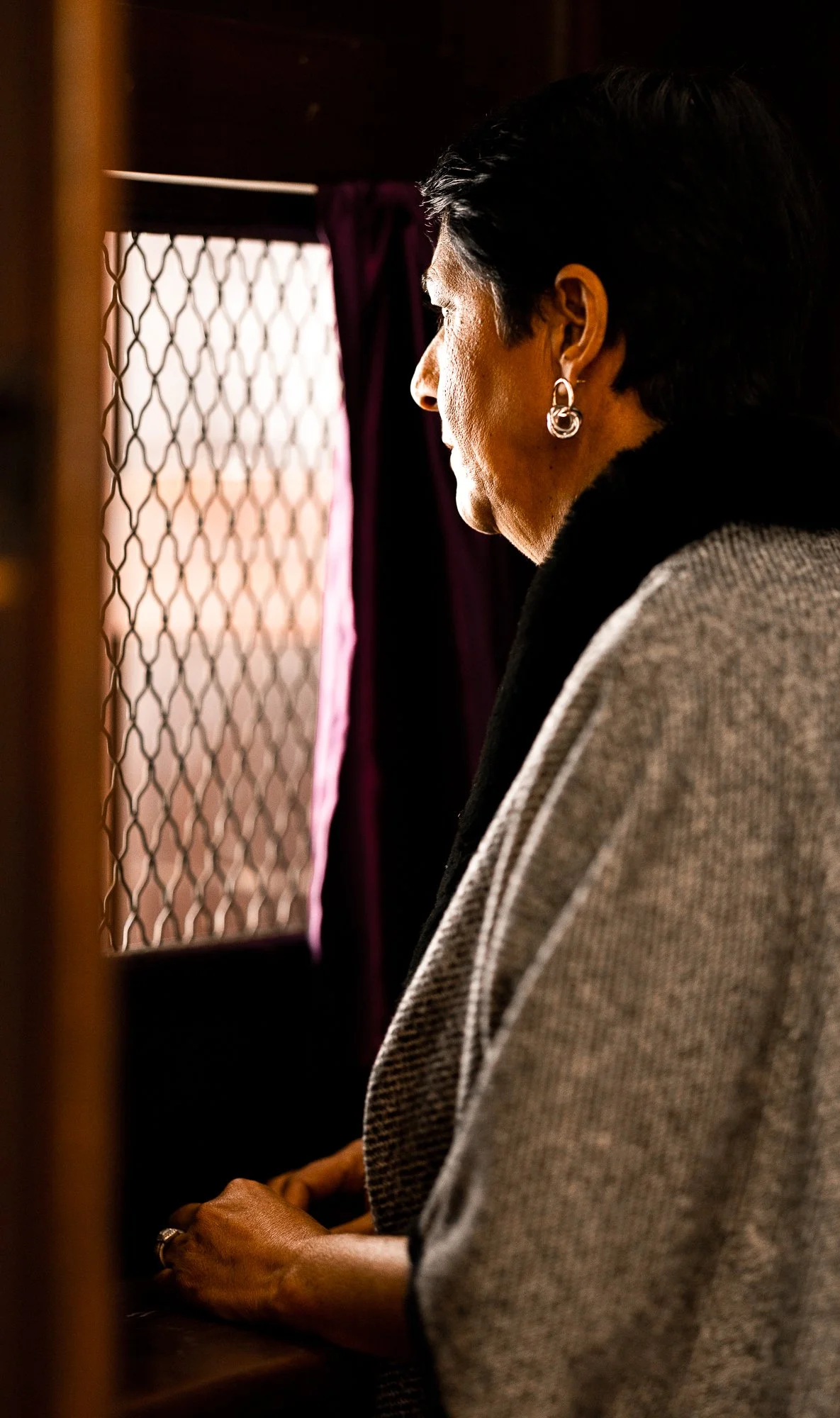
Hopefully, we all know how it feels to have a pure heart, a heart that is at peace and has no distraction or upset of any kind. We may have had moments when this occurred, but the reality is that most of us live with a somewhat unsettled heart. The beautiful Sacrament of Reconciliation is an invitation to return to the state of grace and a clean heart.
Confession in the Early Church
The Sacrament of Reconciliation, also known as Confession or Penance, was not originally part of the sacraments of our Catholic Church. The earliest Christians believed that once a person was baptized and became a Christian, they would never sin again. Jesus gave the apostles permission to forgive sins (John 20:23), just as He had done (Luke 7:48). However, in the early Church, if a person sinned after Baptism, it was then believed that forgiveness for sins could occur one time in a person’s life, and that the penance must be a public event, often inflicting shame upon the individual. By the fourth century, the public admission of sins was moved to private confession to a priest and could occur more frequently. Today, we are encouraged to make a good confession regularly.
The sorrow a person feels for their sins was and is at the center of the Sacrament of Penance. Early Christians defined sin as breaking the Ten Commandments, which caused a person to have a tainted, tarnished, corrupted, or infected heart. Sin often causes us to be blind to our own sinfulness. A person’s ability and willingness to recognize their sin and accept how it impairs their relationship with God and others were essential. The penitent, then as now, admitted sins to themselves and to the priest and received absolution from the priest for a contrite and sorrowful heart. As the Catechism of the Catholic Church states: “the sinner wounds God’s honor and love, his own human dignity as a man called to be a son of God, and the spiritual well-being of the Church, of which each Christian ought to be a living stone.” (CCC 1487).
Why Go to Confession
Our Church explains that there are two kinds of sins: venial and mortal. Venial sins can be confessed directly to God, and mortal sins must be absolved by a priest in Confession. Some people of other faith traditions ask Catholics why we confess our mortal sins to a priest, why can’t we go straight to God? Some theologians assert that the sacrament they would miss the most if they were not Catholic is the Sacrament of Reconciliation, because it makes them right with themselves, God, and others. It conveys their willingness to be humble and their desire to have a clean heart. The Catechism of the Catholic Church states: “Penance requires...the sinner to endure all things willingly, be contrite of heart, confess with the lips, and practice complete humility and fruitful satisfaction.” (CCC 1450).
During this Season of Advent, consider making time to participate in the beautiful, healing Sacrament of Reconciliation and receive absolution from your priest, returning to the condition of a clean heart. Whether it has been weeks or decades since you participated in the Sacrament of Reconciliation, the priest will welcome you with open arms. As you choose to accept the healing balm of this beautiful sacrament, your Christmas will hold an entirely new radiance and effervescence, glowing from the presence of Christ within you. The key is then to let go of the sin and forgive yourself, refusing to allow the memories to elicit feelings of shame.
May God bless you with the peace only He can offer through the healing of His Son.
Act of Contrition
O my God,
I am heartily sorry for having offended you,
and I detest all my sins because of your just punishments,
but most of all because they offend you, my God,
who are all good and deserving of all my love.
I firmly resolve, with the help of your grace,
to sin no more
and to avoid the near occasions of sin.
Amen.
Kate Walsh-Soucheray, Ed.D., M.A. Theology, M.A. Marriage and Family Therapy, LMFT, Emeritus, is a wife of 42 years, a mother of three adult, married children, and grandmother of six beautiful, active grandchildren. She is a former Catholic high school Religion teacher and a former Christian Licensed Marriage and Family Therapist. Dr. Walsh-Soucheray writes a monthly column for the Catholic Spirit, the Archdiocesan newspaper of Minneapolis and St. Paul, called Simple Holiness. She is now retired and writes and speaks for Catholic women’s groups, Cana Dinners, and leads retreats for Catholic groups about integrating holiness into our everyday lives. Find her daily reflection and encouragement for Catholic women on LinkedIn.