


Spirituality and Theology
Featured
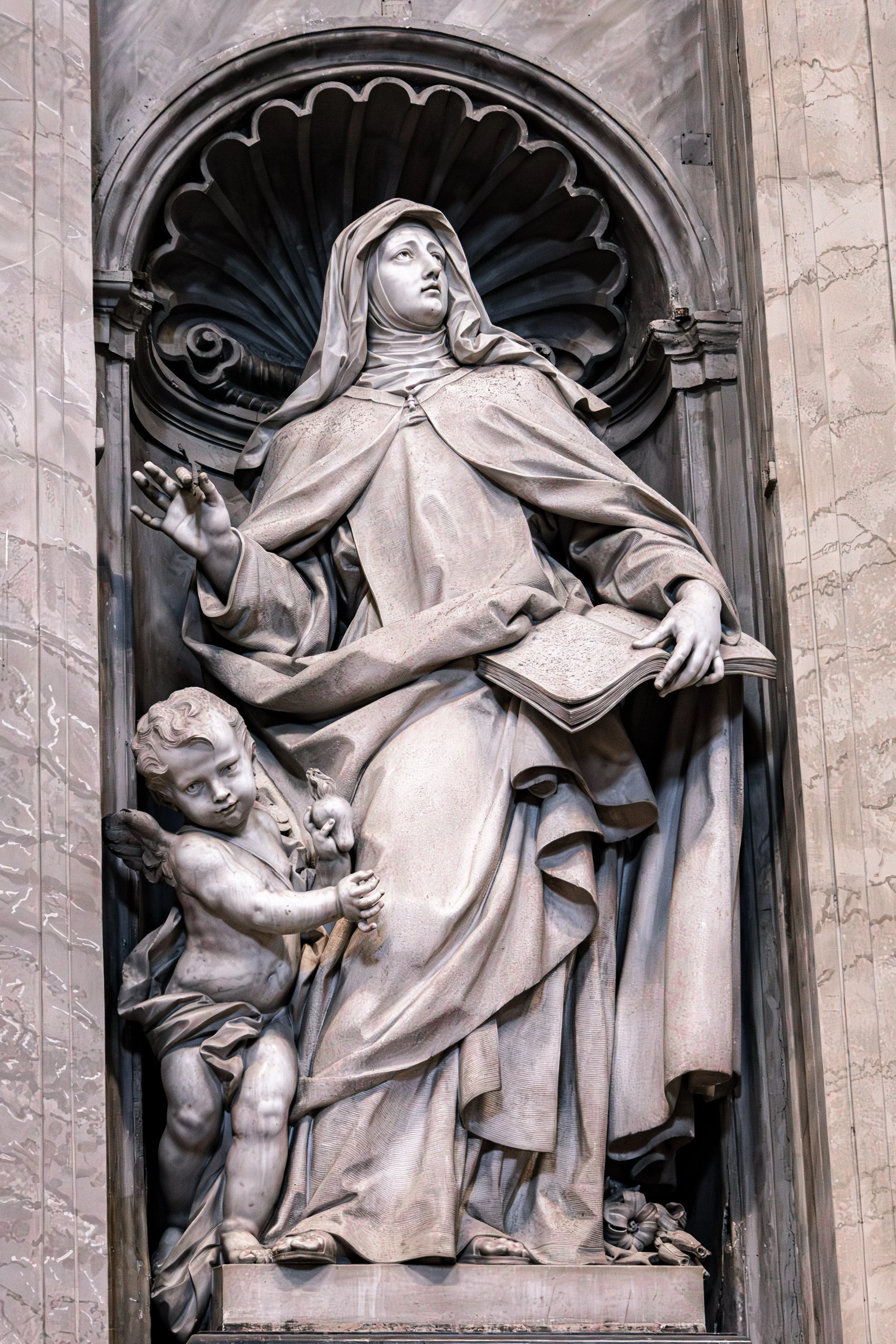








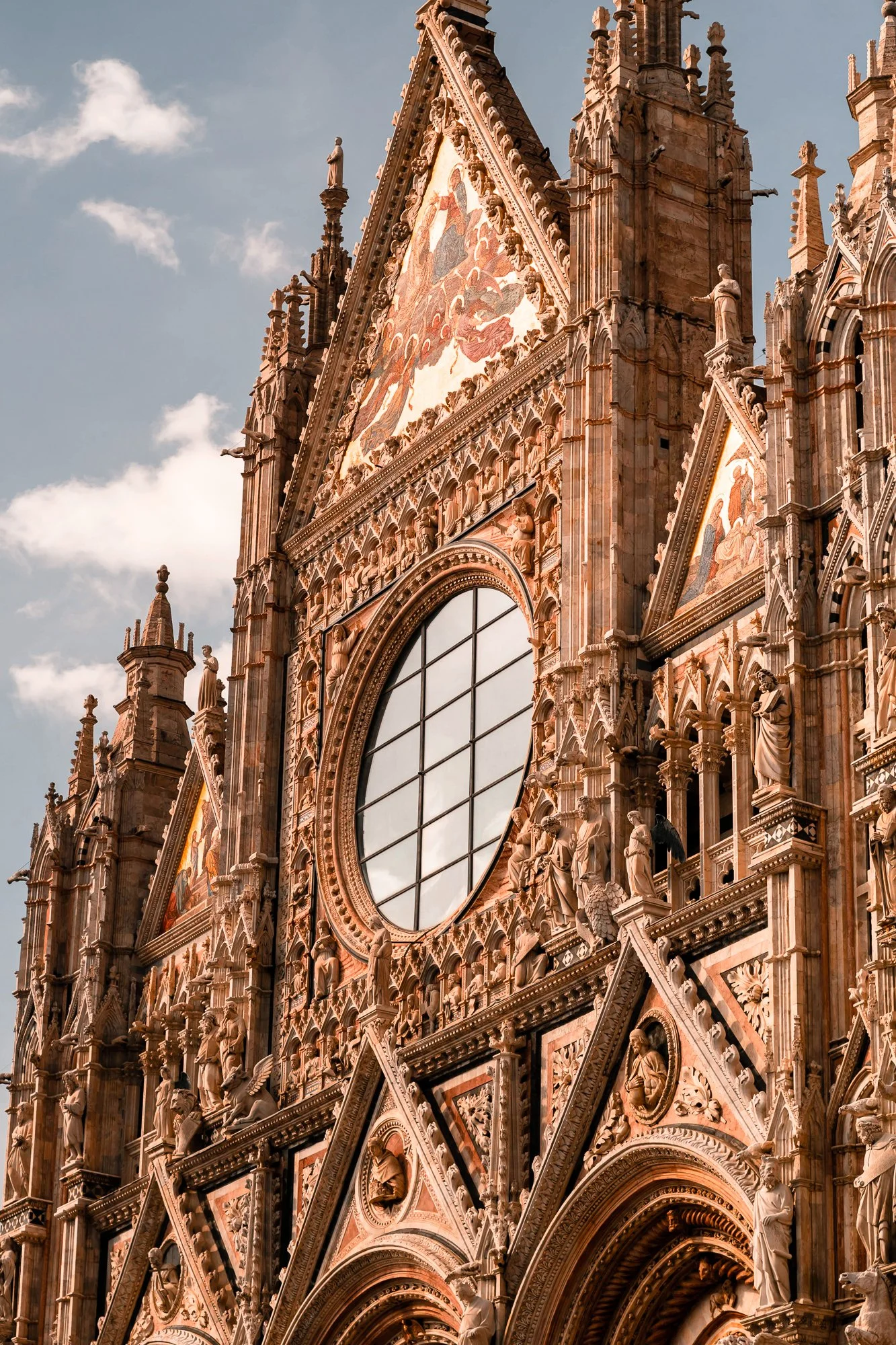



There are four famous St. Teresas: St. Teresa of Avila, St. Thérèse of the Little Flower, Mother Teresa, and St. Teresa Benedicta of the Cross. However, I’d like to introduce you to St. Teresa of Avila, Spain, also known as “Teresa of Jesus.”
In the life of a Catholic woman in business, distraction can masquerade as responsibility. Messages, meetings, client demands, research, family obligations, financial pressures, and new ideas all compete for our attention. We may be working constantly while becoming increasingly fragmented within. We react quickly but discern poorly, completing tasks without remembering what all the activity is meant to serve.
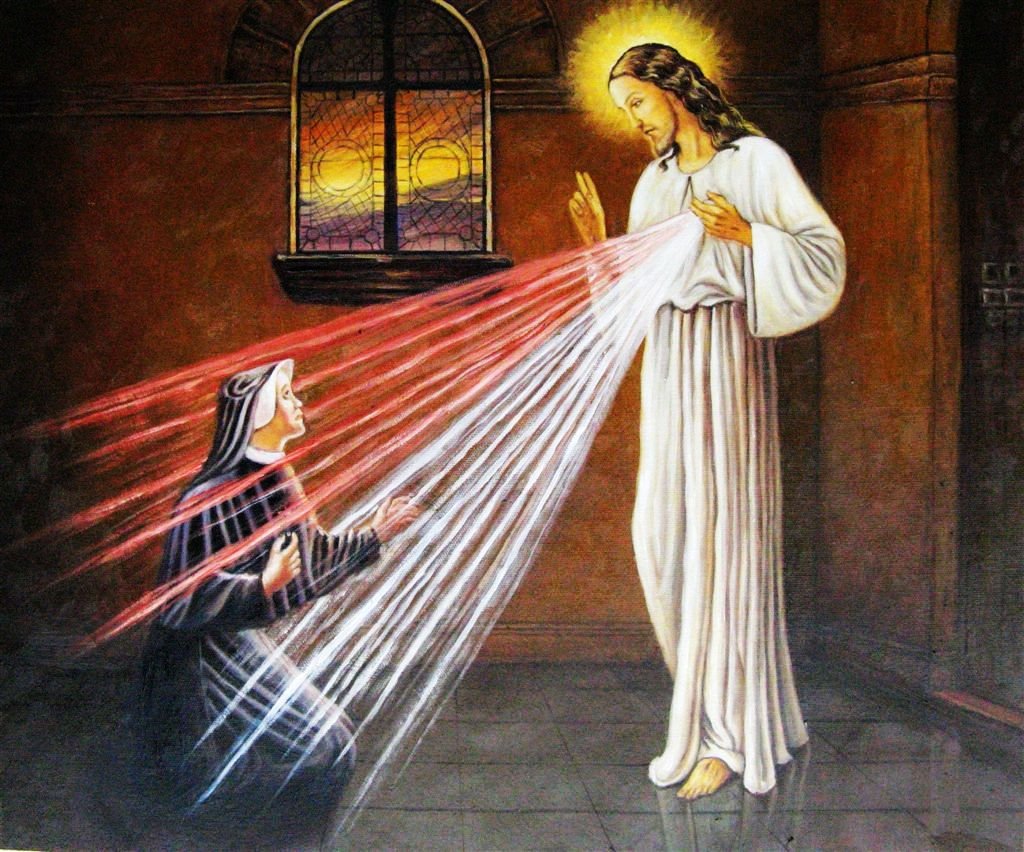
In this personal reflection on the feast day of St. Faustina, we are reminded to commit ourselves to the Lord as she did. Despite dealing with ridicule and doubt, and ultimately dying young after a painful illness, St. Faustina left a life that serves as an example for us all.
Everywhere I look on the Catholic interwebs the past few weeks, I see one major theme: leisure, or purposeful and restorative rest for our bodies and souls. From Pope Leo XIV to my favorite Substack writers to witty reels on Instagram, we are suddenly laser focused on leisure time.
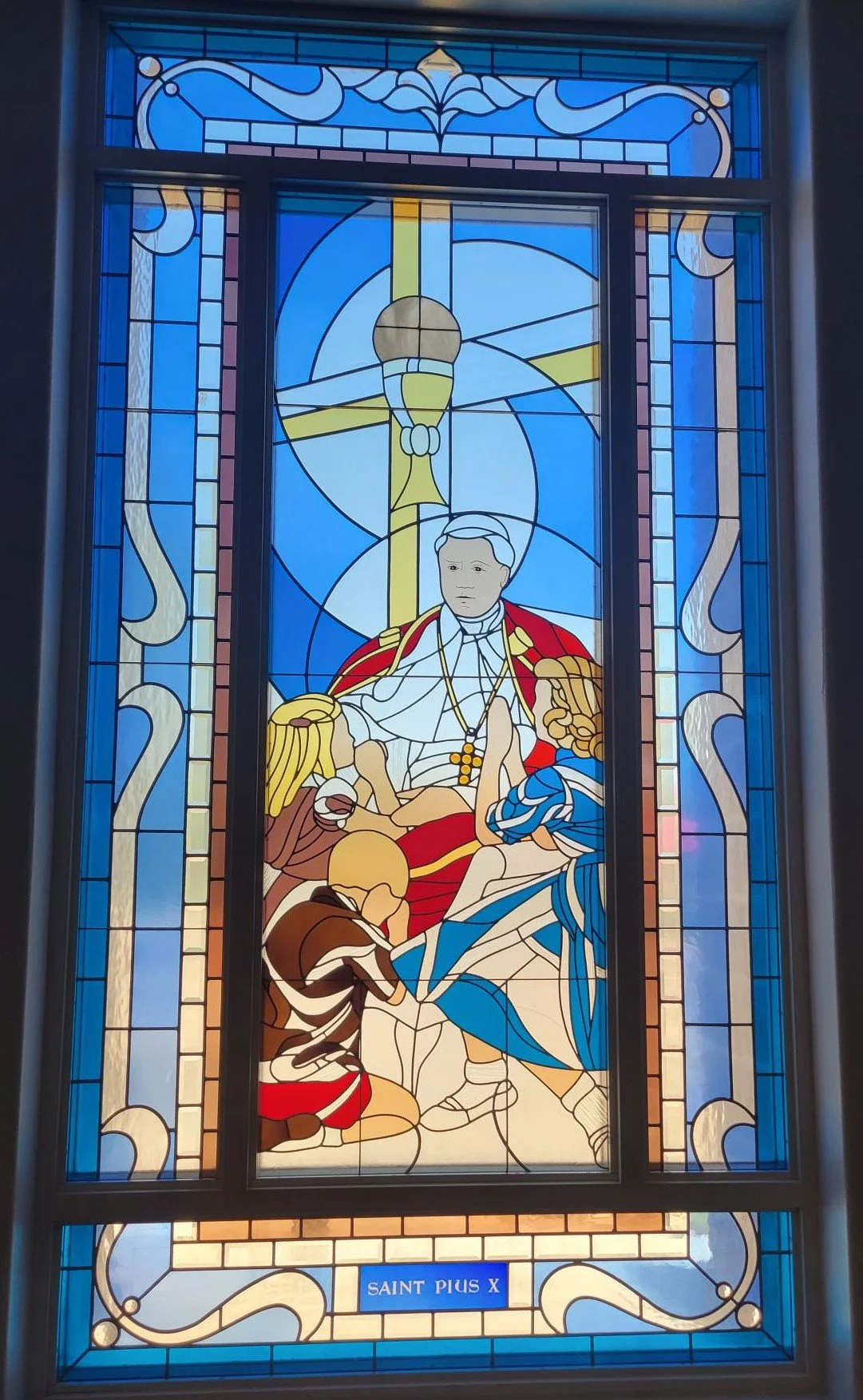
At the back of St. Pius X Catholic Church in Corpus Christi, Texas, there is a stained glass window depicting Pope St. Pius X surrounded by a group of children around seven to eight years old in First Holy Communion outfits, with the Chalice and Blessed Host above the children and the Pope.
There are so many Catholic women coaches right now. But, have you ever considered “hiring” a saint as a coach?
St. Maximilian Kolbe, canonized in 1982 by St. John Paul II, provides a model of selfless love and charity, as well as a living example of Jesus’ willingness to die in the place of another.
Caitlin Bootsma is working to fill a gap in Catholic publishing by writing unique stories for middle-grade readers. With extensive experience writing – and reading – Caitlin is uniquely positioned to strike the right tone with young readers, including the five she is raising! She uses her stories to share the beauty of the Catholic faith.
St. Ignatius of Loyola is well known for founding the Jesuit religious order and writing the Spiritual Exercises. Before he was a devout Catholic, he was a wealthy nobleman and soldier. He was badly wounded in battle. During his long recovery, he experienced a deep conversion while reading about Jesus and the Saints.
While we met Martha, Mary, and Lazarus in the Gospels, we don’t learn much about them, other than they were close friends and disciples of Jesus. We don’t know how they met Jesus or whether they were related to Him. Yet, our Church has designated July 29th as the day we celebrate their lives and the impact they have had on our faith.
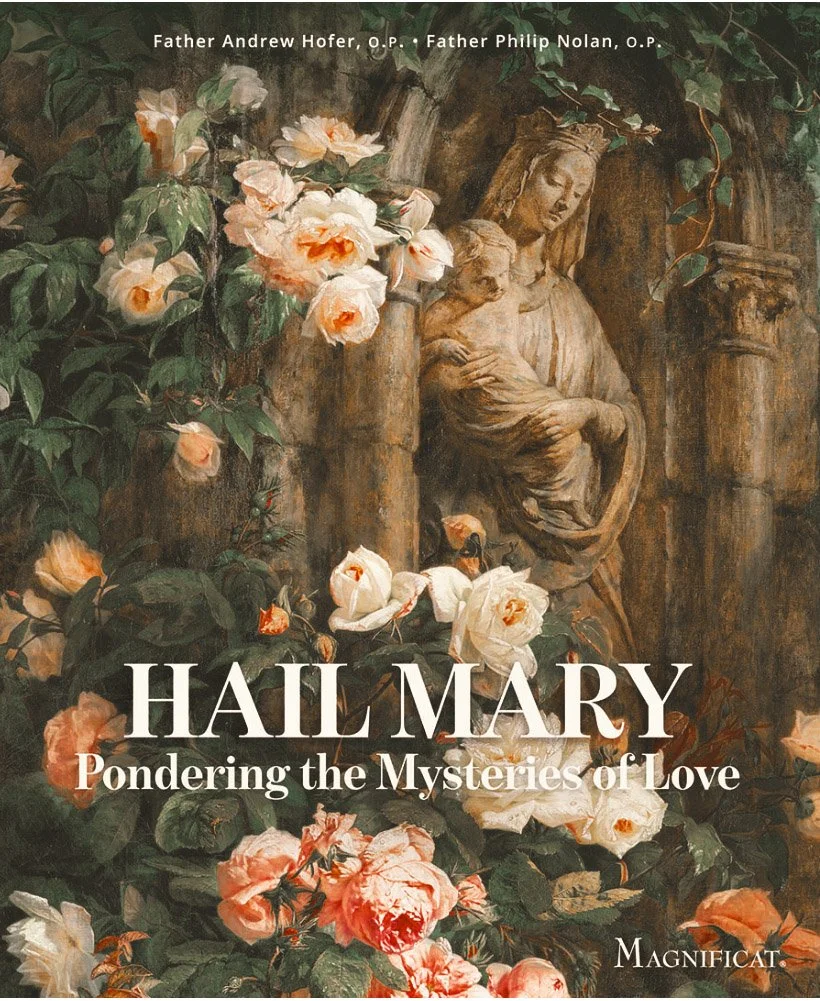
“Hail Mary, full of grace, the Lord is with thee . . .” We know the prayer, but do we know the prayer? How often do we sit and reflect with the Hail Mary? Do we say the prayer or do we pray the prayer?
There are seasons in business when everything feels accelerated. Deadlines multiply. Opportunities expand. Visibility increases. People need answers, leadership, strategy, and execution — often all at once. For Catholic women entrepreneurs, these high-intensity seasons can become spiritually dangerous when productivity quietly replaces prayer and urgency begins to overpower interior peace.
At surface level, yoga as a part of an exercise and fitness program appears harmless. Yoga is a 2,000 to 5,000-year-old Hindu theistic system of physical, mental and spiritual practices aimed at uniting the body and mind. To be clear, theism is the belief in the existence of at least one deity, a personal God who is both the creator and sustainer of the universe, often involved in human history.Christianity is a form of theism, monotheism.
I don’t know about you, but artificial intelligence has been at the top of my mind recently. As a software engineer, AI has taken its spot in the driver's seat and has drastically changed my day-to-day work. We are being called to “AI-forward development” and embracing any opportunity to use this new technology.
Just over a year into the papacy of the first American pope, Pope Leo XIV has released his first encyclical: Magnifica Humanitas (“Magnificent Humanity”). Subtitled “Safeguarding the Human Person in the Time of Artificial Intelligence,” the encyclical is timely, beautifully written, and challenging.
There is so much to digest and pray about, and I recommend that everyone read the encyclical in full (like other encyclicals, it’s available for free on the Vatican’s website). In the meantime, however, I’ve gathered five takeaways for Catholic professional women. I’ll be meditating on them over the coming days, weeks, and months. I hope you will, too!
There are certain saints that whenever I hear their name I cannot help but smile. St. Philip Neri is one of those saints because he is often remembered for his humor. In a world that celebrates the crass and profane as humorous, it’s easy to believe St. Philip was a bit of a clown, but that idea is wildly mistaken.
In today’s fast paced, high demand and performance-driven world, women in business are often told to chase results, optimize productivity, and push forward — no matter the cost. But what if the path to true success isn’t found in constant pushing, but in deep spiritual rootedness?
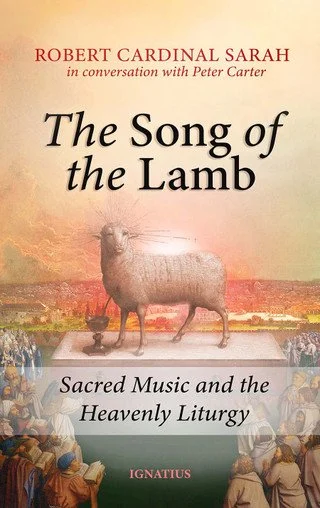
In “The Song of the Lamb: Sacred Music and the Heavenly Liturgy,” Robert Cardinal Sarah, in conversation with Peter Carter, delves into a thorough examination of the part that music plays in the liturgy.
There are places where we feel stuck, overwhelmed, or afraid in business and these are really places where our past wounds are still holding us back.
Jesus’ wounds – His very human suffering – offer us not just comfort, but a way forward to bring our wounds into the light and find healing that touches everything we do.
No human being has a vocation more universally important, more relevant to the lives of every other human being, than Mary. (Though we all share this calling in our own small ways!)
St. Catherine of Siena lived from 1347-1380 and was named a Doctor of the Church in 1970, one of the first two women to receive that title along with St. Teresa of Avila.
Catholic women entrepreneurs explore surrender and consecration in business, using Mary's example at Cana to lead with faith instead of control.
The Evangelists Matthew, Mark, Luke, and John, were inspired to write about Jesus, each for a different audience and for a different purpose. Mark was writing to the Christians living in Rome.
St. Anselm was an important scholar of the Middle Ages and is recognized as one of the Doctors of the Church. Later in his life he served as Archbishop of Canterbury. He passed away on April 21 in the year 1109, and his feast day is celebrated annually on that day.
A pilgrimage is as much about the journey as it is the destination. The heart of a pilgrimage is an encounter with the Lord, our God. Whereas vacations are about relaxation, sightseeing, and tourism, pilgrimages take us from our comfort zones and self-reliance to surrender and trust in God’s providence for the journey and in our lives.
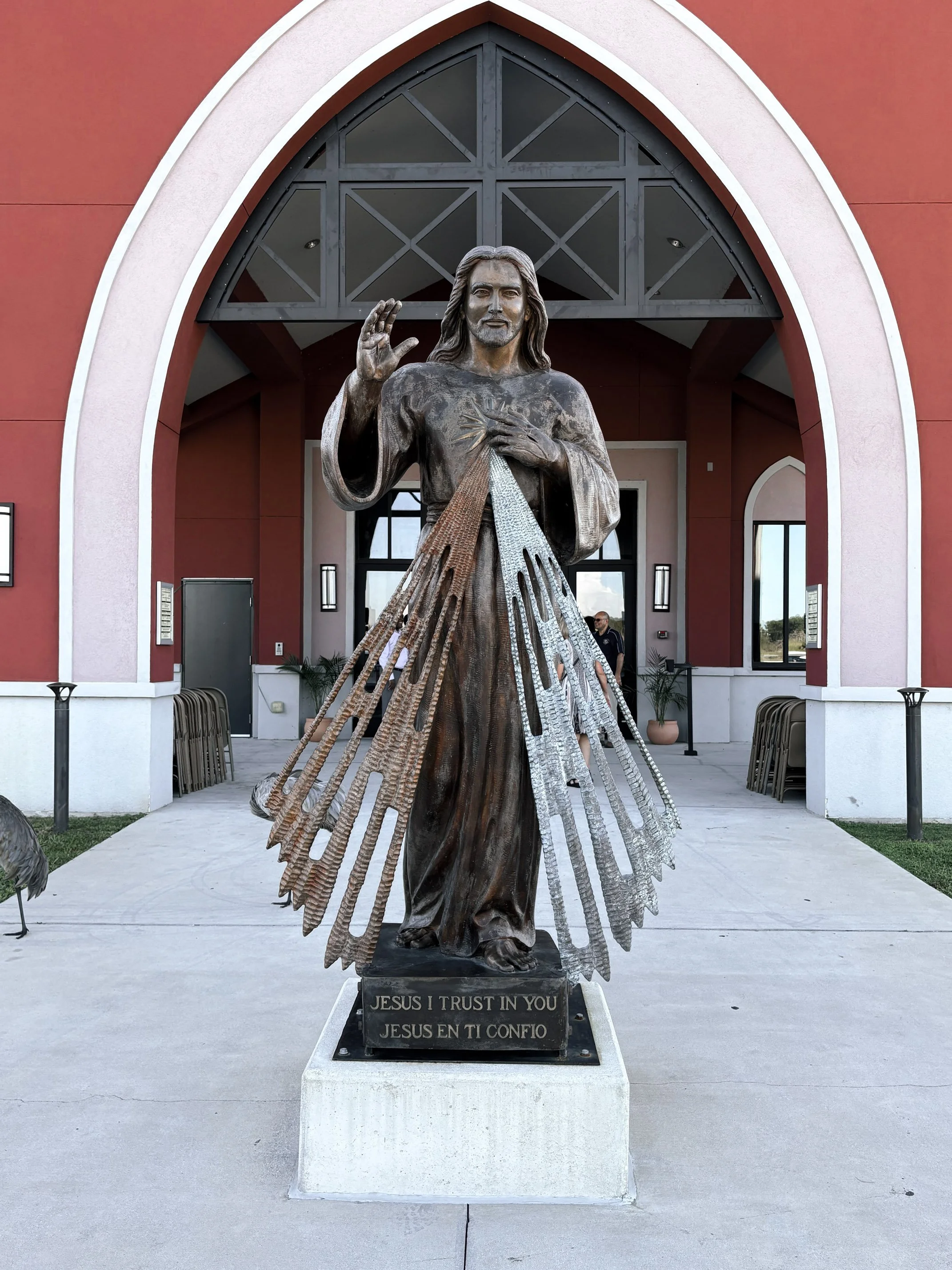
Discover the power of God's Divine Mercy this Easter season. Learn how humility, the Feast of Divine Mercy, and St. Faustina's diary can transform your faith.