

“Superstition is a departure from the worship that we give to the true God” (CCC 2138).
My husband and I moved into our 1960s bungalow during the COVID-19 pandemic, and, as with all older homes, our work was cut out for us in terms of safety upgrades and updates. For instance, we had to replace the hot water heater. The previous owner had hung a horseshoe (albeit upside down, which supposedly is unlucky rather than lucky) on the wall behind the heater. We got rid of that horseshoe upon moving in. I’m not superstitious, I told myself.
We also replaced the home’s electrical panel, together with its make-shift extension, to meet the currently imposed electrical standards. By the panel, the previous owner had placed a miniature statue of our Holy Mother carrying baby Jesus. That statue still sits next to the newly installed panel.
I remember that in high school, I made a point of wearing my crucifix necklace, which was a gift from my Confirmation sponsor, before an exam or another similarly big day in the life of a studious secondary school student. I didn't wear the necklace everyday or even on most days for that matter, although in hindsight doing so could have served as a concrete reminder of Christ's presence in my life. I consciously chose to wear it only on test days. Why did I do so? Did I think it would bring me luck? Was my use proper?
Tools in our spiritual toolkit
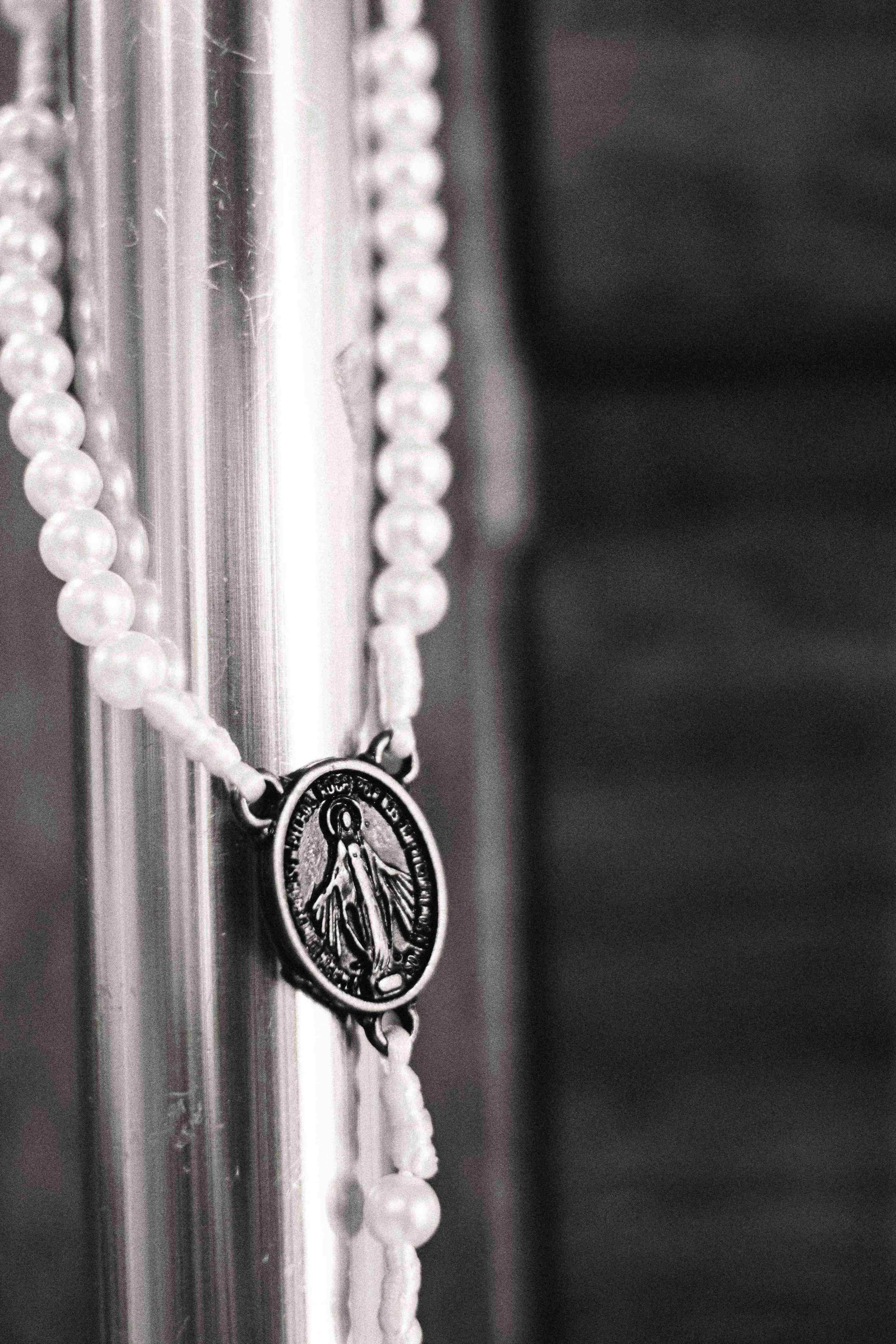
Religious icons, sacramentals, and prayer – in all its variety of forms and rituals – are instruments to help us orient our focus toward the Lord and grow in our personal relationships with Him. Their use also offers little ways to evangelize at our workplace or elsewhere when someone we meet notices them. Importantly, the aim of using these tools is not to bring luck. However, can the appropriate use of these aids help us feel consoled, more comfortable in our own shoes, and even grateful? Absolutely. Indeed, such feelings will increase as we enhance our relationship with God.
Superstition goes against the Third Commandment: You shall have no other gods before me. As described in the Catechism, "Superstition is the deviation of religious feeling and of the practices this feeling imposes. [...] To attribute the efficacy of prayers or of sacramental signs to their mere external performance, apart from the interior dispositions that they demand, is to fall into superstition" (CCC 2111). By entertaining superstitions, we distract from our focus on the one true God by creating our own gods, sometimes without being aware of what we’re doing.
Assess our motivations of using religious symbols
It is useful to call upon the Holy Spirit and check in with ourselves periodically to assess our use of religious icons, prayer and rituals. If the use promotes our one-on-one relationship with God, we are using these instruments for the right reasons. These can be articles that we wear, that we have around our home, at work, or in our car. When we find that we are using any of these tools for a primary purpose other than to grow in our personal relationship with the Lord, it could be time to reorient ourselves. Such a reorientation is very different from removing the use of the particular tool in question. It's shifting our motivation, aligning our eyes back to God.
Let's be aware of how our use of material and tangible tools in our spiritual toolkit at home and at work leads us closer to God. If we realize that they are not achieving this end, there is no shame in pivoting to make sure that our motivation is rooted in faith and not in fear.
Sarah Gagliano Taliun is a genetics professor with many interests in addition to studying DNA. She and her husband now call Montreal home. When she is not reading a scientific article or meeting with students, Sarah can be found experimenting with new recipes in the kitchen, reading her Bible or taking a walk in nature.