

Stretching the Soul: Discerning a Yoga Practice for Catholic Christians
But the Lord is faithful; he will strengthen you and guard you from the evil one (2 Thessalonians 3:3).
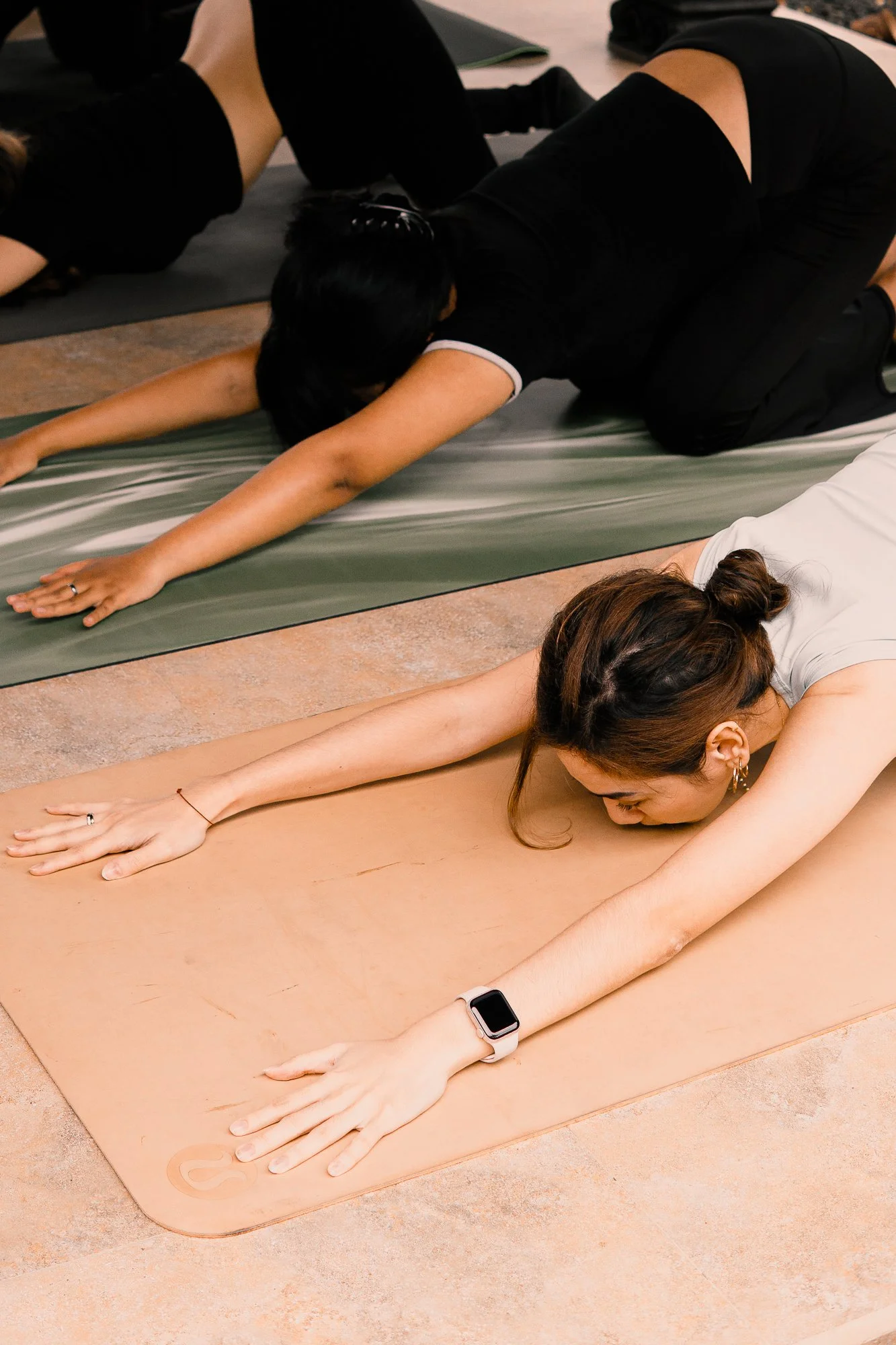
At surface level, yoga as a part of an exercise and fitness program appears harmless. Yoga is a 2,000 to 5,000-year-old Hindu theistic system of physical, mental, and spiritual practices aimed at uniting the body and mind. To be clear, theism is the belief in the existence of at least one deity, a personal God who is both the creator and sustainer of the universe, often involved in human history. Christianity is a form of theism, monotheism.
The word yoga is derived from the Sanskrit word yuj, meaning yoke or union. Yoga combines poses (asanas), breathing (pranayama), and meditation to achieve balance, relaxation, and self-realization. Christianity is a form of theism, monotheism. An estimated 38.4 million American adults participate in yoga every year (CDC, 2024).
History of Yoga
The earliest evidence of yoga is carvings (seals) from the Indus Valley archaeological site of Mohenjo-Daro, dating to the third millennium B.C. The “Katha Upanishad” (sixth century B.C.), an ancient Sanskrit Hindu text, mentions a hierarchy of body, mind, and spirit analogous to a horse, chariot, and charioteer. In yoga, the yogi turns the mind inward, detaching from the material world to realize the true nature of the self. This may be accomplished through one or more yoga approaches, such as bhakti (spiritual), jnana (knowledge), and karma (duty and action).
In 500 B.C., Sage Patanjali authored a text compendium (sutra) of aphorisms on a nontheistic integrative form of yoga, referred to as Raja Yoga. Aphorisms are concise statements that express a general truth or observation about life. For example, “actions speak louder than words” or “all that glitters is not gold.” The sutra contains eight components or astanga: mental discipline and restraint (yama, niyama), controlled postures (asanas), conscious breathing (pranayama), detachment (pratyahara), and meditation (dharana, dhyana, and samadhi).
During the 10th century B.C., yogic practices called tantra developed. A tantra is a combination of rituals, yoga, mantras, and meditations to accelerate spiritual liberation by viewing the body and worldly experiences as divine, rather than hindrances. It emphasizes expanding awareness (tan) and transforming energy (tra). Hatha yoga, a form of tantra yoga, focused on extreme psychophysical practices to actualize this energy, developed at this time. The practice continues today. Swami Vivekananda, a Hindu monk, introduced yoga to the United States in 1893 at the World Conference on Religions in Chicago. It has taken off, to say the least. Wellness programs, schools, and fitness clubs include yoga in their offerings. World Annual Yoga Day is June 21.
Types of Yoga
There are many types of yoga. You can read more about the differences online. Common and popular classes include hatha, ashtanga, bikram, and yinyasa. People use yoga for fitness, flexibility, relaxation, stress reduction, and other reasons. There is a large body of evidence demonstrating the positive benefits of yoga on recovery, healing, emotional well-being, physical fitness, sleep, athletic performance, chronic pain, and cardiovascular health.
So why is yoga controversial for Christians?
Reasons for Caution
While the Church has no official teaching on the practice of yoga, Christians should be aware of the history and types and forms of yoga. Certain yoga types have roots in occult legends or honor problematic gods and goddesses in postures and poses. For example:
The three-part warrior pose is named after the fierce mythological Hindu warrior Virabhadra, an incarnation of the god Shiva. In short, due to a family disagreement and embarrassment at a party, Shiva transforms into a fierce beast: “He wears garlands of skulls and carries many terrifying weapons” and murdered all the party guests. One website suggests the next time you strike the Warrior pose, you embody the fierceness of the beast (Virabhadra) to fight your own internal battles. This invokes anything but Christ and God into healing and sinful behaviors.
Matseyadrasana, the lord of the fishes pose, also known as the seated spine twist pose, is made up of a few Sanskrit words: matsya, which means fish, indra, which means lord, and asana, which means pose. Matseyadrasana appeared as a hatha and ashtanga pose in the 10th century B.C. Matseyadrasana is taken from the name Matsyendra, one of the first students of Lord Shiva (above). The story involves a fish turned into a man, Rishi (Sage), who was given the responsibility of sharing his knowledge with the world. Lord Shiva provides wisdom as our inner voice. The theory is that once we start to listen to our inner voice (Shiva) and get detached from the material world, we will find the ultimate path to enlightenment.
The popular goddess pose is associated with the Hindu goddess Kali, the goddess of time, doomsday, and death, known as the black goddess. She is often depicted in a black or blue color, having multiple arms, and sticking out her long tongue. She commonly wears a skirt of human arms and a necklace of heads while grasping a decapitated head. Over the years, her image has been softened, and modern websites refer to her as "tough love," smashing preconceived notions and freeing you of conditioned beliefs and false personal identities. While these concepts sound good, they don’t point to the fact that as Christians we find our identity as a daughter of God (2 Corinthians 6:18).
The child’s pose is from the word “bala,” meaning child. The child’s pose is associated with the major deity Krishna. Krishna was a real person, worshipped by the Hindu people.
Downward dog, a staple in many yoga classes, is linked to a tale of King Yudhishthira, a demigod, who is the eldest child of a woman named Kunti and the god Dharma.
Not all yoga poses point to ruthless, evil, murderous godheads, but there are postures that worship someone other than God and Jesus, including the self. What is a Christian (Catholic) to do?
What if you enjoy the stretches as part of a fitness program with no relation to the historical figures? If you continue to practice yoga, will you go to hell? I am not the person to answer those questions – a priest or spiritual director can help – but practical advice involves separating the physical benefits of stretching from Eastern spiritual philosophies.
For example, start a yoga session with prayer, asking God to help you honor Him with your body. Meditate on Scripture rather than emptying your mind. Use the breathwork to focus on prayers or scripture versus. Skip the classes that involve chanting using Sanskrit mantras (“we are all God”). Look for Christ-centered yoga classes; there are online resources and programs. Finally, while yoga traditionally means "yoking" to Hindu concepts, Christians can reframe it as being "yoked" to Christ (Matthew 11:28-30), using the time to rest, breathe, and connect with Him.
Megan Amaya is an associate clinical professor, director of health & wellness, board-certified health coach, and certified group fitness instructor.