

“How can we be “neighbourly” in our use of the communications media and in the new environment created by digital technology?... Those who communicate, in effect, become neighbours.” — Message of Pope Francis for the 48th World Communications Day
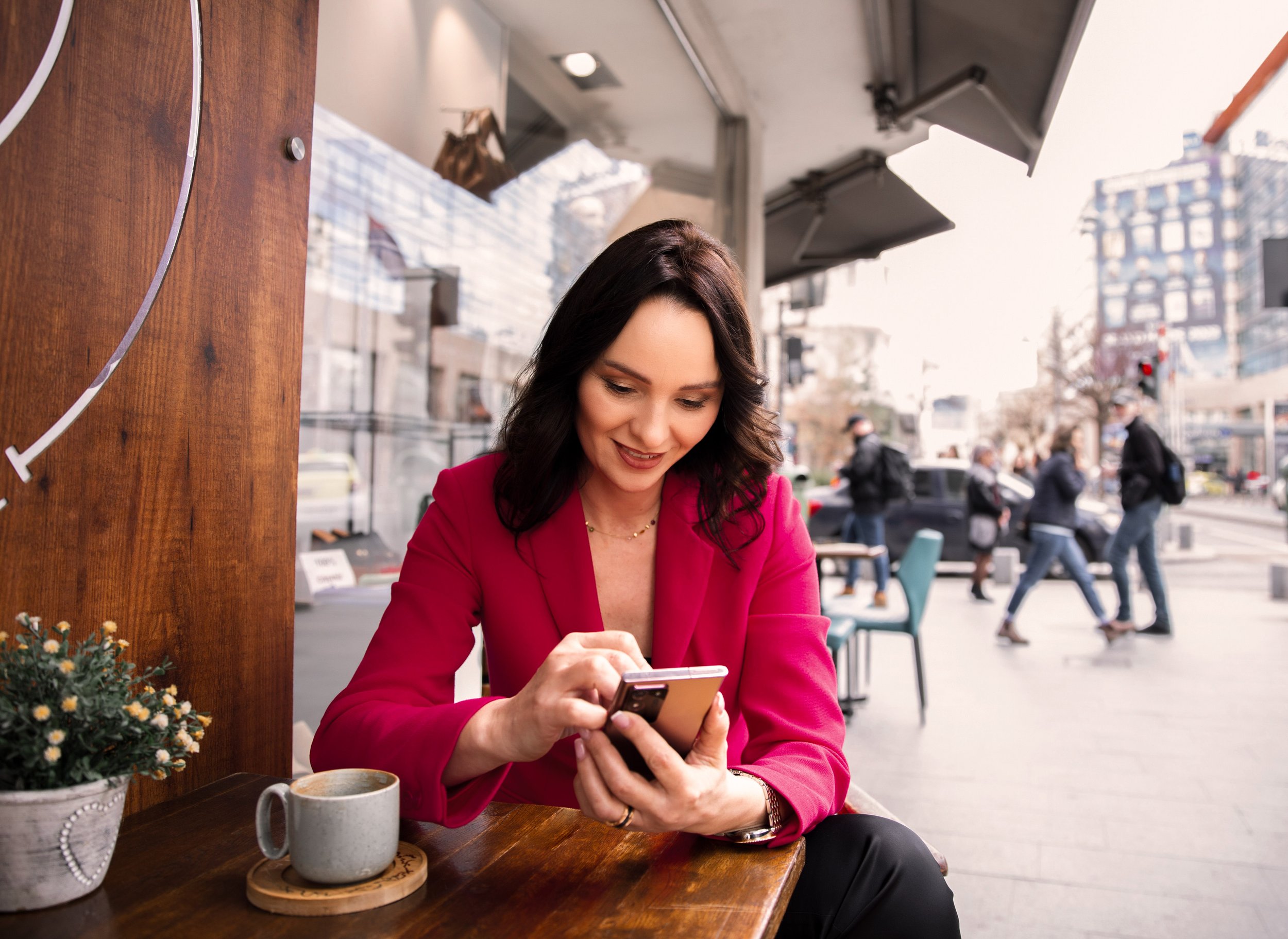
Two and a half hours per day. That’s the average amount of time that adults in the U.S. spend on social media, according to the 2025 U.S. Consumer Insights survey. Gen Z spends more time — up to five hours per day.
These numbers demonstrate that social media has become a regular part of daily life. It promises many opportunities for encounter and connection, bridging geographical distance and linking us to far-flung audiences, whether across the state, across the country, or around the world.
As Pope Francis beautifully expressed: “Communication is really about realizing that we are all human beings, children of God. I like seeing this power of communication as ‘neighbourliness.’”
On social media, we become digital neighbors. And if social media makes us digital neighbors, then accessible social media is one way we practice love of neighbor.
Accessibility as Neighborliness
Pope Benedict XVI identified a potential pitfall of social media in 2009, three years after the public launches of Facebook and Twitter: “These technologies are truly a gift to humanity and we must endeavour to ensure that the benefits they offer are put at the service of all human individuals and communities, especially those who are most disadvantaged and vulnerable.”
This includes people with disabilities, who often face barriers to access. The Pew Research Center has found that many adults with disabilities are active internet users, though at lower rates than those without disabilities. Since social media platforms have become a regular part of life, accessible content matters for making digital communication more usable and inclusive.
Making Social Media Accessible
Social media connects people to your business, organization, or ministry. The way they are welcomed by your content shows how much you value their presence. Follow these practical tips for social media accessibility.
Add or edit alt text: Some platforms auto-generate alt text for photos, but you’ll want to check for accuracy. This matters especially for posts where the image is the message, such as a text-heavy carousel or event graphic.
Caption videos and provide transcripts: This is essential for Reels, TikToks, YouTube videos of all lengths, webinars, podcasts, and livestreams. As with alt text, you’ll want to review and edit platforms’ auto-generated content.
Sprinkle in emojis carefully: While emojis add character to posts, use them judiciously and space them out. They’re best placed at natural stopping points in the text of a post.
Use CamelCase for multiword hashtags: This makes hashtags easier to read: for example, choose #CatholicWomenInBusiness instead of #catholicwomeninbusiness. Otherwise, the screen reader may read the hashtag as one word.
Re-think GIFs and fast-moving effects: Avoid flashing effects, fast-moving text, or looping GIFs, especially when they are not essential to the message.
Have a clear path to action for links: Use clear descriptive calls to action so users know what action to take and where a link goes. For example, “Register for the retreat through the link in our bio.”
Use readable visual design: Visuals should have strong contrast, legible fonts, and no color-only meaning. Importantly, they should be easily readable on a phone screen.
When you welcome others into your own piece of what Pope Benedict called “the digital continent,” accessibility becomes more than a technical practice. It becomes one way to practice neighborliness online.
Bookmark These Accessibility Resources:
Section508.gov Social Media Content Creation: A practical federal resource on making social media content accessible.
Creating Accessible Social Media Content: A checklist-style guide from a major disability inclusion organization, with concrete tips.
Accessible Social Media from Texas Tech University: A clear quick-start guide for making social posts “born accessible.”
Digital.gov Social Media Resource Hub: A federal digital communications resource hub with accessibility guidance for public-facing content.
Social Media Accessibility from the University of Wisconsin–Madison: A guide with useful, practical reminders on making social media easier for people to access.
Carolyn Crawford is a communications and marketing professional with 15 years of experience across multiple sectors, including defense, labor and biopharmaceuticals. She got her start at boutique PR agencies in Washington, D.C., before making the jump to become a freelance communications consultant. Now, she primarily serves Catholic clients through mission-centered organizational advancement. Carolyn lives in Maryland with her husband and son. She can be reached at carolyn@crawfordconsultingllc.com.