

What to Look For in Professional Development Opportunities
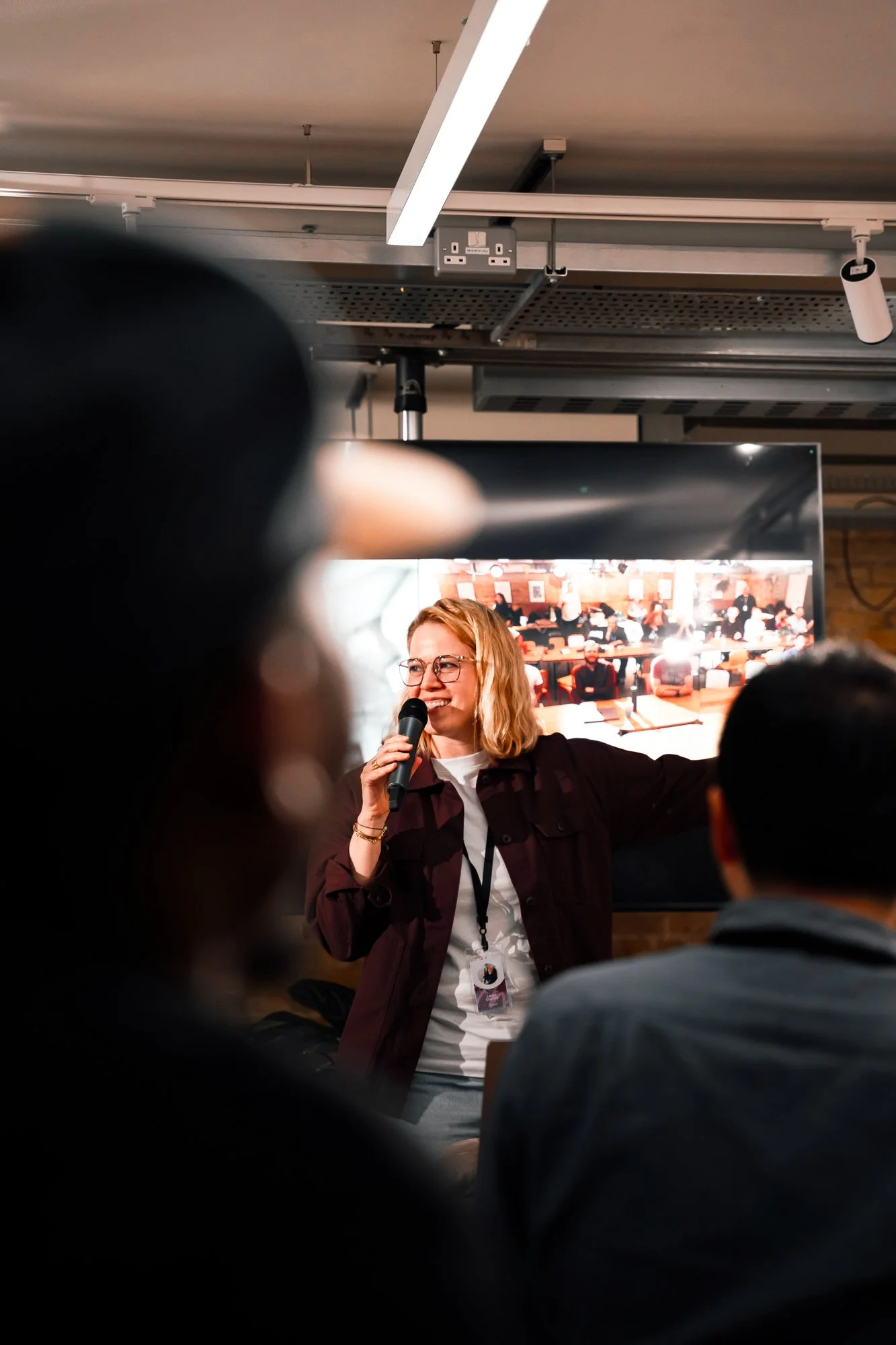
As a woman in business, it’s easy to know that professional development is important, but hard to make the time to think through the options, much less register and attend. How do you know that time will be well spent and fruitful?
Budgeting for Professional Development
Before evaluating options, it’s important to first establish a budget — in both money and time — for the upcoming quarter or year.
How much funding do you realistically have to commit to a professional development opportunity?
Workshops and conferences can range from $50 to thousands of dollars.
How much time do you have to commit? When?
During busy seasons, it may not be practical to plan for professional development, or you may need to stick with brief options like hour-long training sessions instead of multiday conferences.
What restrictions do you have on your time or budget?
Do your professional development dollars need to be committed by a certain date (for example, the end of the fiscal year)?
Do you need to ensure any opportunities happen during the workday versus an evening or weekend?
Determining Your Goals
Consider your goals in professional development. What do you most need to learn? These could be things like:
New and emerging trends in your field of work
Skills or knowledge you need to advance in your chosen field
General skills like communication, managing others, or handling conflict
Business fundamentals like budgeting, staffing, or fundraising
If you’re not sure where to find professional development opportunities, consider any industry associations in your field; they may offer periodic training, mentorship programs, coaching opportunities, and/or an annual conference that you could consider. Also consider options like LinkedIn Learning, Coursera, and continuing education offerings from any colleges or universities in your area (community colleges in particular are a great resource!).
Evaluating Your Options
Once you have a budget and have established how much time you can commit, as well as any necessary timing boundaries, it’s time to evaluate your options. Professional development comes in many shapes and sizes, like:
Live webinars, workshops, and conferences (virtual and in-person)
Individualized coaching or facilitated groups
Books, articles, or self-guided modules
You should plan to consider your own learning needs. For example, do you struggle with distraction when handed a book or article, even if it’s on a topic you know you need to master? Consider a live or in-person training instead, ideally with interactive components to keep your mind engaged. Are you struggling more with issues of self-confidence, communication, or other skills? Consider professional coaching rather than a one-time lecture as a way to best impact your desired outcomes. No matter how valuable the content, if the format isn’t a match for your needs, it will not offer you the best way to learn the content presented.
Consider the Long-Term Impact
If you’re on a limited budget or can only pursue a limited number of opportunities, it’s important to consider the longer-term impact of the opportunity you choose.
Will you receive a recording or written resource that you can refer back to?
Does the opportunity allow you to access other participants to continue the conversation and offer networking in your field?
Will the opportunity solve any immediate challenges or pain points that would significantly improve your professional life?
Will there be follow-up opportunities in the future to continue your learning?
Ultimately, professional development is, and should be, individualized to your own budget, time allowances, learning needs, and desired goals. Take some time to think through your short- and longer-term goals, how you learn best (and in what situations you struggle to learn at all), and identify some sources for training, conferences, or other opportunities. Planning for professional development is a vital and worthwhile part of any career.
Sarah Battersby has a Bachelor's in English and a Master's in Social Work and has spent most of her career working with students and student-serving organizations. She is the co-founder of a consulting firm that serves donors and philanthropic organizations seeking to create and manage impactful scholarship programs. She loves reading, baking, being a mentor, and discovering new things with her daughter. She lives in North Carolina with her family.