

“In all circumstances give thanks, for this is the will of God for you in Christ Jesus” (1 Thessalonians 5:18).
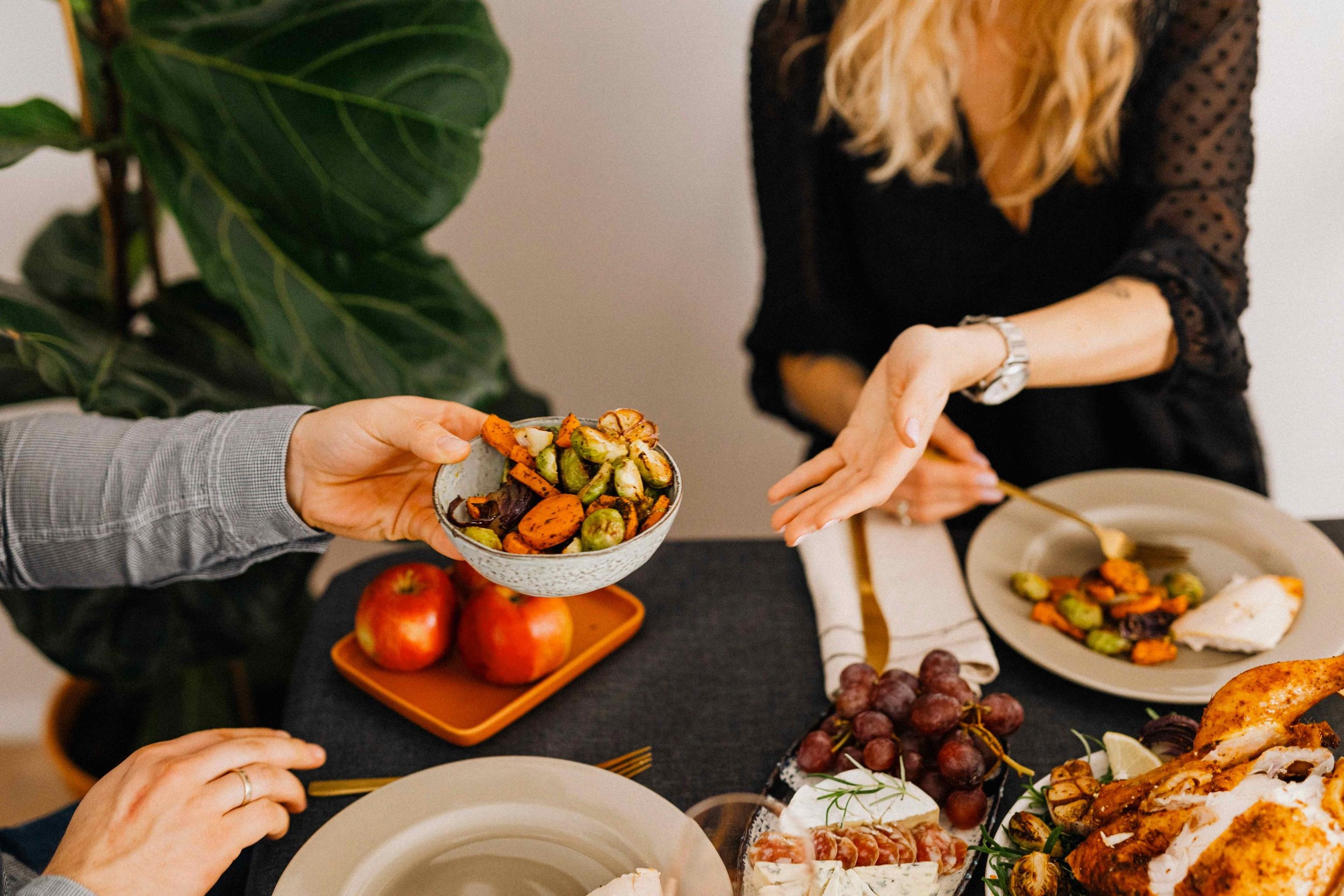
The holidays bring traditions, family, friends, social gatherings, emotions, opportunities, and challenges. While the holiday season is filled with joy and wonder, for many women, it can be a season of stress, obligations, navigating relationships, and indulging in unhealthy lifestyle behaviors. All of this can be emotionally and spiritually draining. During the “most wonderful time of the year,” balancing gratitude with self-care and personal boundaries is vital to managing your energy and protecting your well-being.
Take a few minutes to reflect on the following questions:
What holiday stressors are you facing right now?
Which healthy behaviors are you able to maintain during the holiday season?
Who can you lean on for help and support?
What does setting boundaries look like for you over the next month (and potentially beyond)?
Gratitude at its foundation is the state of being grateful or thankful for the good in your life. For Catholic Christians, it is also being thankful for the difficult and important lessons we learn, the ways in which we are dependent on God when life gets challenging, and finding joy in the sorrow (2 Corinthians 6:10). Gratitude promotes emotional, mental, physical, and spiritual well-being and has positive effects on our health, mood, and energy.
Gratitude reduces stress and improves emotional health
There is ample evidence to demonstrate gratitude’s impact on the brain. It activates the reward center, releasing the feel-good neurotransmitters of dopamine and serotonin. Gratitude boosts mood and energy. It reduces cortisol, which calms the amygdala - whose job is to process emotions - and lowers stress hormone levels. This is especially important during the holiday seasons when stress levels tend to elevate. A regular gratefulness practice correlates with increased gray matter in brain regions responsible for emotional regulation, learning, and cognitive processing.
Gratitude boosts physical health
When you practice gratitude, your nervous system shifts from a state of stress to a state of calm, which lowers your heart rate, blood pressure, inflammation, relaxes your muscles, and enhances immune function. This in turn increases physical energy and improves health.
Importance of setting boundaries and self-care
While there may be wonderful and loving people in your life, there are also individuals you may need to keep at a distance. Dealing with difficult family members can be emotionally exhausting. One of the most important decisions you can make is to set boundaries. Deciding ahead of time, such as before a family get together, what behavior(s) is unacceptable, and how you are going to deal with it. For example, limit the amount of time you spend with someone, excuse yourself from unsettling conversations, or politely decline invitations that make you uncomfortable.
Setting boundaries is not easy; not everyone understands why you need them. You do not need to explain yourself unless you want to. Everyone sets boundaries in one way or another; it may not be apparent, but we all do it. A point to remember – we are to love one another even if we don’t like another person’s personality. Say a prayer of thanksgiving for the individual or situation (1 Timothy 2:1–4). It reminds us we are all children of God.
Lastly, as you are practicing healthy lifestyle behaviors during the holidays, even if it is not your normal routine, be grateful for the sleep, movement, yummy foods (healthy and unhealthy), and people who love you. The season passes quickly.
It’s not about perfection. It’s doing the best we can. Practicing gratitude offers a spiritual and emotional foundation to help manage stress and cultivate resilience. By combining gratitude with healthy boundaries and healthy lifestyle behaviors, you can navigate the holidays with a sense of balance, peace, and joy.
Megan Amaya is an associate clinical professor, director of health promotion & wellness, board-certified health coach, and certified group fitness instructor.