



Expand your career,
skills + spiritual life.

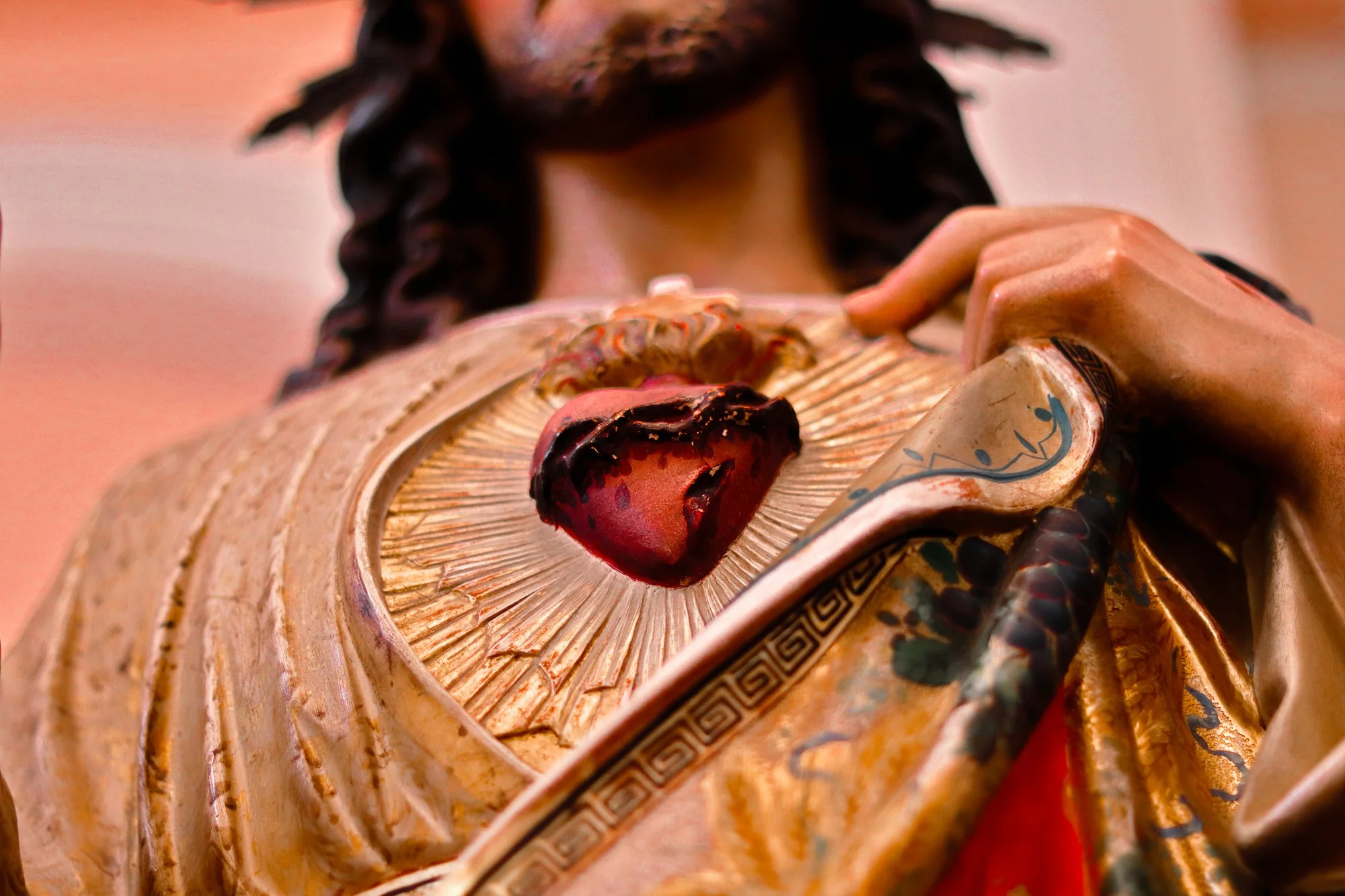
What the Sacred Heart Has to Do With Your Business & Adrenal Glands
Many Catholic women in business have learned to lead from the head and manage from the calendar — keeping the heart carefully protected. But the image of the Sacred Heart of Jesus reveals a different kind of strength: one that is open, pierced, and still offering itself. This article explores the connection between a guarded heart, chronic stress, and the nervous system — and invites Catholic women entrepreneurs to discover what leading from an undefended heart actually looks like.

Carrying Christ into Your Workplace
Inspired by Our Lady of the Visitation, discover how active charity — encouraging others, practicing presence, and sharing success — transforms your work into meaningful ministry.

When God Is the Chairman of Your Board
Catholic women entrepreneurs explore surrender and consecration in business, using Mary's example at Cana to lead with faith instead of control.

Saint Anselm: Doctor of the Church and Father of Scholasticism
St. Anselm was an important scholar of the Middle Ages and is recognized as one of the Doctors of the Church. Later in his life he served as Archbishop of Canterbury. He passed away on April 21 in the year 1109, and his feast day is celebrated annually on that day.
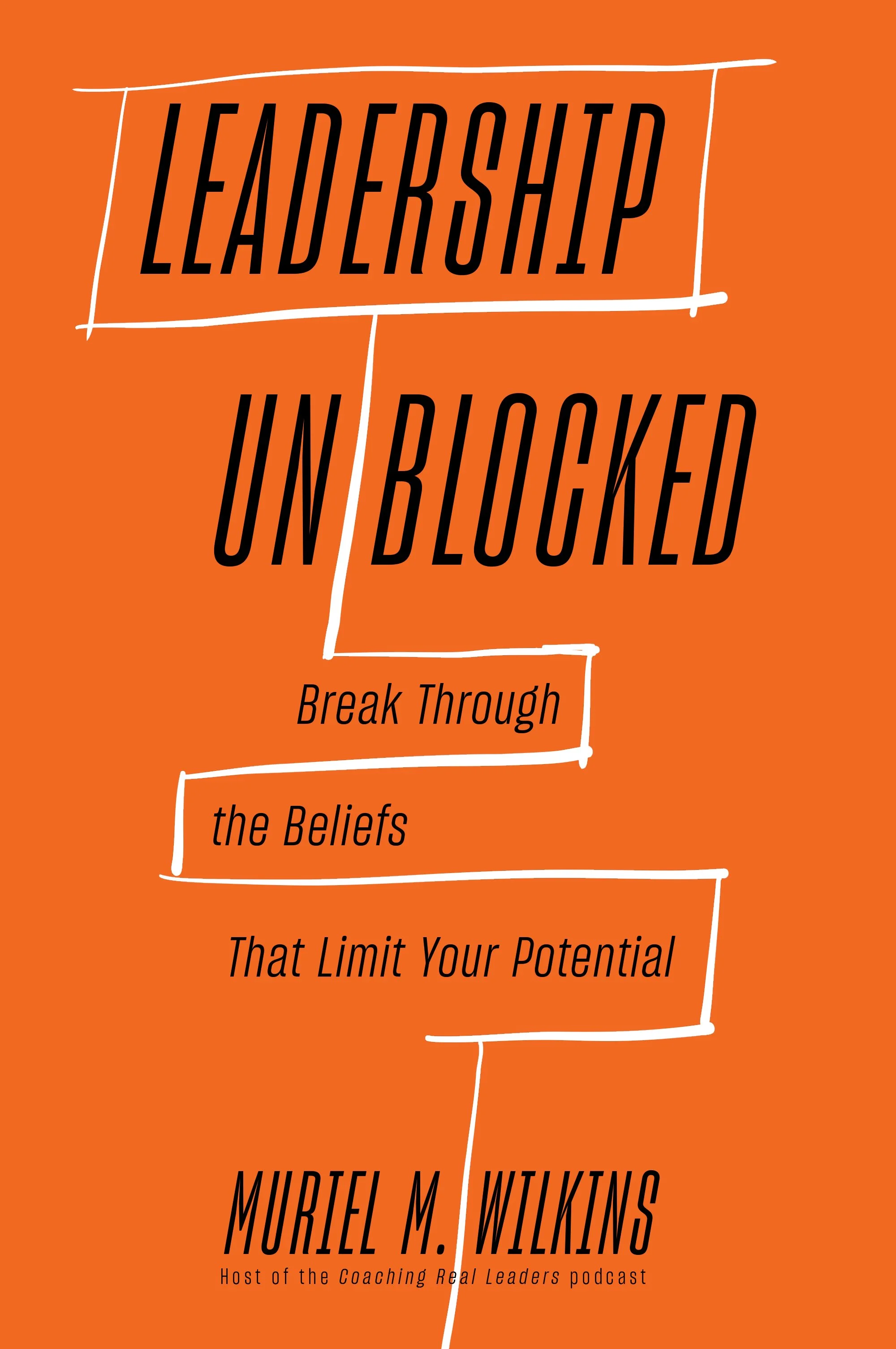
Leadership Unblocked
The book Leadership Unblocked: Break Through the Beliefs that Limit Your Potential by Muriel M. Wilkins was a book I struggled to read. As a naturally introspective person who feels like I already have a strong awareness of my strengths and weaknesses, I was humbled to realize how much growth I still need in many areas. However, that realization was not discouraging, but instead inspiring.

Leading With Prudence
We live in a world that celebrates speed: fast growth, instant results, quick decisions. But prudence slows us down, not to paralyze us, but to make sure we’re acting with wisdom rather than by impulse. Aquinas reminds us that prudence isn’t just about caution; it’s about discernment. He even says that “prudence implies a right ordering of reason toward action.”