

Leadership Unblocked
“I came so that they might have life and have it more abundantly” (John 10:10).
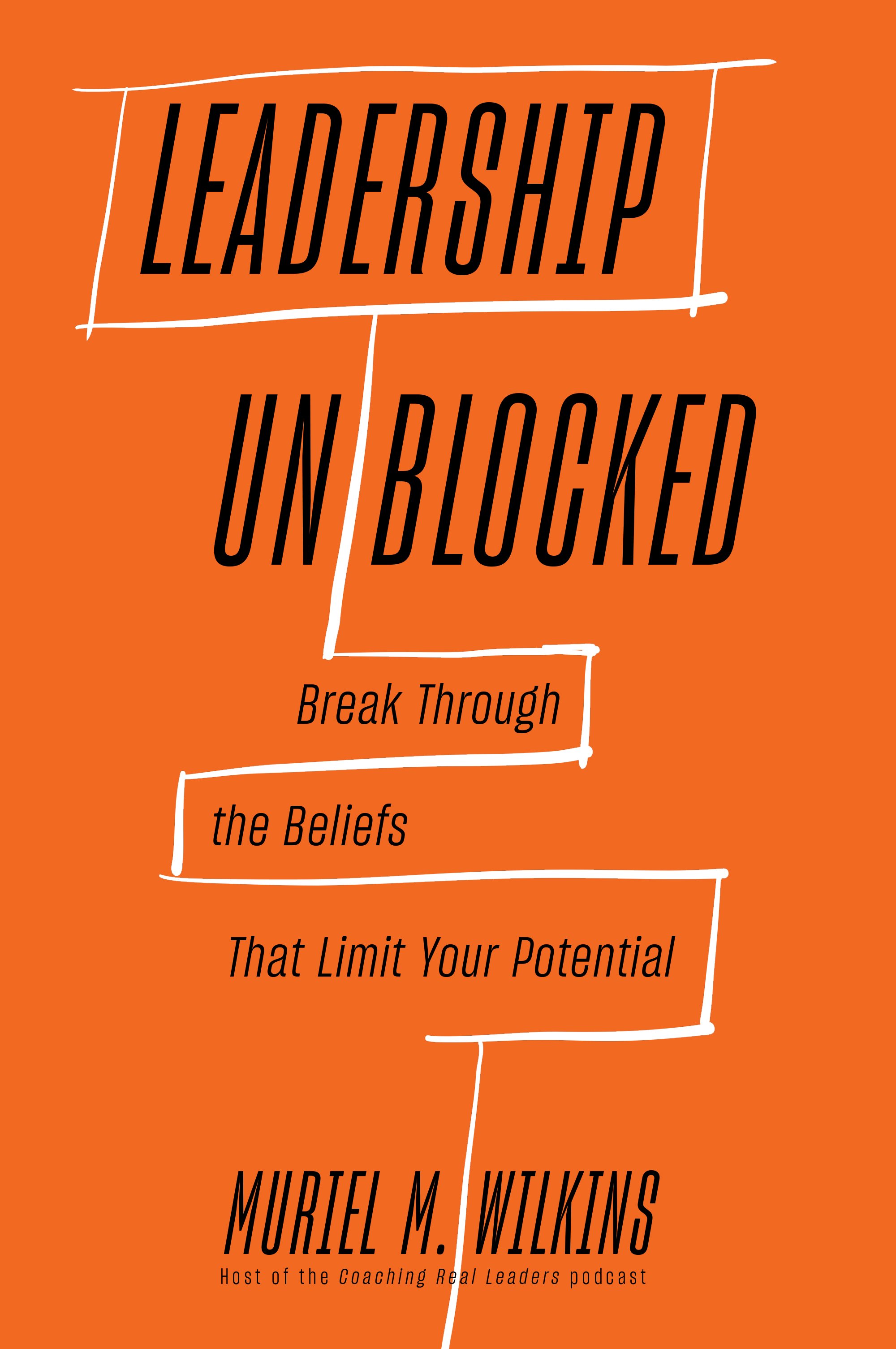
The book Leadership Unblocked: Break Through the Beliefs that Limit Your Potential by Muriel M. Wilkins was a book I struggled to read. I found myself picking it up during my son’s nap, reading a few pages, underlining key phrases, and then putting it back down for several hours to ruminate on the concepts.
It was challenging to read because it cut to the core of some of my internal narratives: “This is just how I am,” and “This is just how things are.” It challenged my beliefs, forced some introspection and prayer about areas of my leadership, and led me to reflect on how I want to show up in the future. As a naturally introspective person who feels like I already have a strong awareness of my strengths and weaknesses, I was humbled to realize how much growth I still need in many areas. However, that realization was not discouraging, but instead inspiring.
We All Get Blocked
According to Wilkins’ research over the past several decades working as an executive coach, everyone has unconscious assumptions and limiting beliefs that she calls “hidden blockers.” These blockers keep us “locked in unproductive patterns and unable to move forward.” These patterns are often ingrained and habitual, and we are often unaware of them. They prevent us from achieving our goals and from being the best leaders we want and know we can be.
The seven common hidden blockers Wilkins describes in the book are:
“I need to be involved.” The belief that you need to be part of every detail at every level.
“I need it done now.” The belief that you need to get results right away, no matter what.
“I know I’m right.” The belief that you- and only you- know the answers to the problems at hand.
“I can’t make a mistake:” The belief that your performance must be flawless, above reproach.
“If I can do it, so can you.” The belief that others’ performance must be like yours to be acceptable.
“I can’t say no.” The belief that you must say yes and step up to the plate when asked.
“I don’t belong here.” The belief that you don’t fit in where you are or at your level.
Stories of Struggle
Each chapter of the book is dedicated to sharing the story of a leader who struggles with one of these blockers. Readers are privy to how Wilkins helps them uncover their hidden blocker, aids them to see the impact of that blocker on themselves and those around them, and how it is hindering their growth and success. Through identifying the root of the blocker, she assists them with identifying a new belief to replace the previous belief and guides them to create action steps to help them follow through. At the end of each chapter, Wilkins includes a step-by-step, self-coaching guide that readers can follow to help them overcome that specific blocker.
For example, with the “I need to be involved” blocker, a leader might struggle with micromanaging because they fear if they do not, the work will not get done. After realizing they are blocked, accepting it, and determining the root of it, they can then reframe it so that belief can better support the leadership impact they desire to have. This way a leader can move from, “I need to be in the loop on everything to ensure things go well” to “I need to focus my involvement where I add the most value.”
With this in place, a leader can then take actions toward this new belief through: delegating, setting clear priorities, scheduling regular check-ins instead of constant oversight, and reflecting on successes that were achieved without the leader’s involvement.
Practical and well-researched suggestions such as these, makes this book a recommended tool in any leader’s toolkit. Throughout the book, Wilkins gives leaders the tools to begin to unblock beliefs that hinder their impact, and to assist them in helping their employees do the same.
Critiques
Only two critiques come to the surface regarding the book. One is the unique role that Wilkins had throughout the coaching engagements described in each chapter. For each leader, she conducted thorough interviews about each leader with their managers, employees, colleagues, and other important stakeholders. This critical feedback provided the leader the needed clarity and impetus to make a change. Although this level of thorough feedback is invaluable, it is not clear how an average leader could gather this type of objective feedback from those around them on their own.
The other critique of the book is more of an encouragement to the Catholic female leader and reader. Since it is not a faith-based book, it does leave the reader with the impression that they can “fix themselves” through diligently following a set of steps. Although we do play an active role in our self-improvement, it is essential to remember that we are created by a loving God who does not leave us to fight our battles alone. Every wound we encounter within ourselves is an opportunity for healing and a Divine encounter. We can and should invite Him into our healing journey into becoming more integrated and effective leaders.
Overall, it was an enlightening read, and paired with healthy spiritual practices will set any Catholic business leader up for success.
Valentina Imhoff, MBA, is a career coach helping women encounter God through their work. She has lived and worked in six countries and has over 10 years of experience in a variety of industries. She facilitates Called & Gifted workshops to help others discern their charisms. Her greatest loves are her husband, son, and trying new recipes in the kitchen. Connect with Valentina at fiatcareercoaching.com, or tune into her podcast on YouTube, Apple Podcasts, or Spotify.