

Working Out: A Gift to Ourselves and Our Families
Love your neighbor AS you love yourself (Lev. 19:18b).
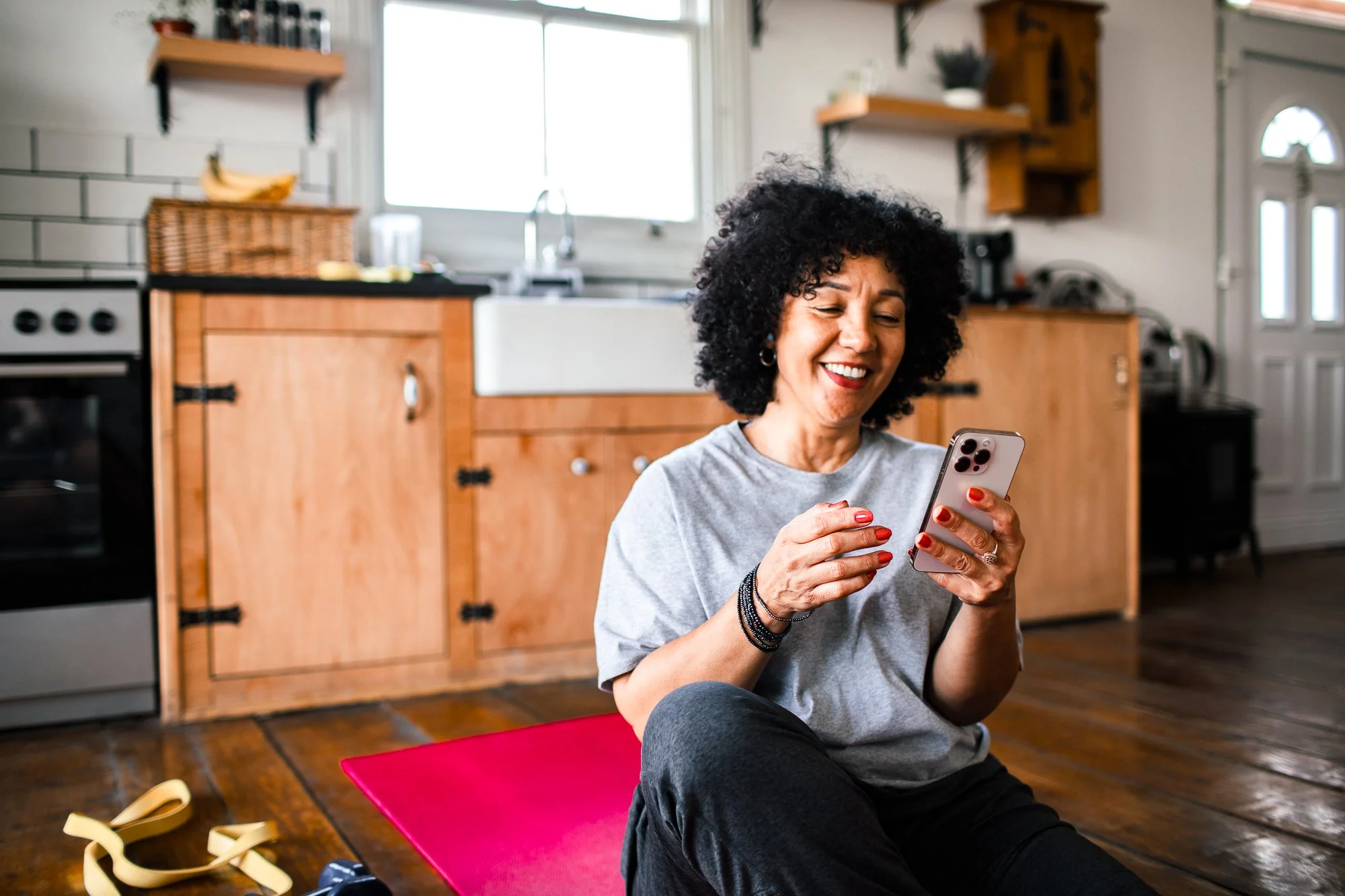
We all know that working out is good for us, and taking care of the body, mind, and soul is a cornerstone of being a healthy, adult woman. As an older woman, when people tell me I look good, I tell them it’s just a lot of paste! And yet, what woman does not want to hear that she looks good? No woman wants to hear she looks tired, or be asked if everything is all right, or yawn in a meeting and receive a cold stare from her boss.
Self-Care Is Not Selfish
A few months ago, I led an online class for a group of Catholic women and discussed the importance of taking care of ourselves through exercise. One woman said she knows she should do this, but she had been taught throughout her life that putting others first is the better choice. She said she struggled with taking time for herself when she could be giving her time and energy to help others, and she thought working out was being selfish. I responded by relating the Gospel story of Jesus being tested by a scribe about which Commandment was the First Commandment. Jesus quoted the Shema prayer of Deuteronomy 6:4: “The first is this: ‘Hear, O Israel! The Lord our God is Lord alone! You shall love the Lord your God with all your heart, with all your soul, with all your mind, and with all your strength.” Then Jesus added, “The second is this: You shall love your neighbor as yourself” (Mark 12:28-31).
Perhaps we think it is selfish to take time for ourselves, time that could be spent on our other responsibilities. Yet taking time for our own personal health benefits everyone in our lives. We may believe we don’t deserve to spend time improving our lives because it indicates we are placing our needs above the needs of others. Perhaps we even think other women will be envious of us and our trim, fit physique, and we don’t want that. Still, not one of those reasons—or a thousand others we may give for not incorporating exercise and self-care into our daily routine—is good enough to cause us to continue unhealthy habits. If we want to be present and available for our families, co-workers, employees, and friends, self-care is the first step toward fulfilling that initiative.
Where to Begin Working Out
If you desire to feel better, the first step is cultivating the willingness to create time in our busy schedule to make taking care of ourselves a priority—or to at least put it on the list! We have to believe we are worth taking care of and that doing so is aligned with our Catholic faith. There is no place for guilt in this equation. In fact, we will likely be standing up to a shame-based identity, creating cognitive dissonance, which can be uncomfortable. To fulfill this, we begin with small steps and concrete goals, called outcome goals, which we break down into smaller process goals.
These goals are often referred to as SMART goals: Specific, Measurable, Attainable, Realistic or Relevant, and Timely. When we set SMART goals for our physical fitness, we are advocating for our own good health and desire to serve others in the best way possible. One of the fundamental ways we will serve others is through the loving actions we take on their behalf. We need a healthy body to achieve such actions.
The next step may be to join a gym in your area or work with a Certified Personal Trainer. This person must be well-trained, so they understand the human body and how to most effectively train your muscles, tendons, and ligaments to reduce the risk of injury. They must be able to build a positive rapport with you by fostering self-efficacy and self-confidence. You will have to create time in your busy schedule to go to the gym three to five times a week so you can practice the fundamental movement patterns they teach you to help you become stronger, more agile, and more fit. As women age, weight-bearing exercise is critical for avoiding osteoporosis. Learning exercises to develop your core musculature will improve your balance and reduce your risk of falling. We likely could all name a woman who fell as she got older, which led to a diminished lifestyle, and perhaps even an untimely death. That does not have to be us, but in order to avoid this from happening, we have to say ‘yes’ to self-care.
Live Long, Live Healthy
If you do join a gym or work with a trainer, they should address posture, bone density, and the basics of nutrition to help you develop healthy habits. Not only do we want to live a long life, but we also want to live a healthy life. Begin today to advocate for yourself. Then continue to make time each week, and ideally every day, to work on becoming stronger and developing good balance and stronger bones, muscles, and nerve connections. Overall, this is a sound, healthy practice that will help you set an example for others. Self-care is not selfish; it is essential!
Dr. Kate Walsh-Soucheray taught high school religion in St. Paul, Minnesota, and then became a licensed marriage and family therapist. She has master’s degrees in theology and marriage and family therapy, and a doctorate in educational leadership. Dr. Kate and her husband John have been married for 42 years, and they have three adult married children and six, soon to be seven, grandchildren. Dr. Kate is retired and writes and speaks for Catholics.