

Daily Movement and Exercise: a RX for Energy
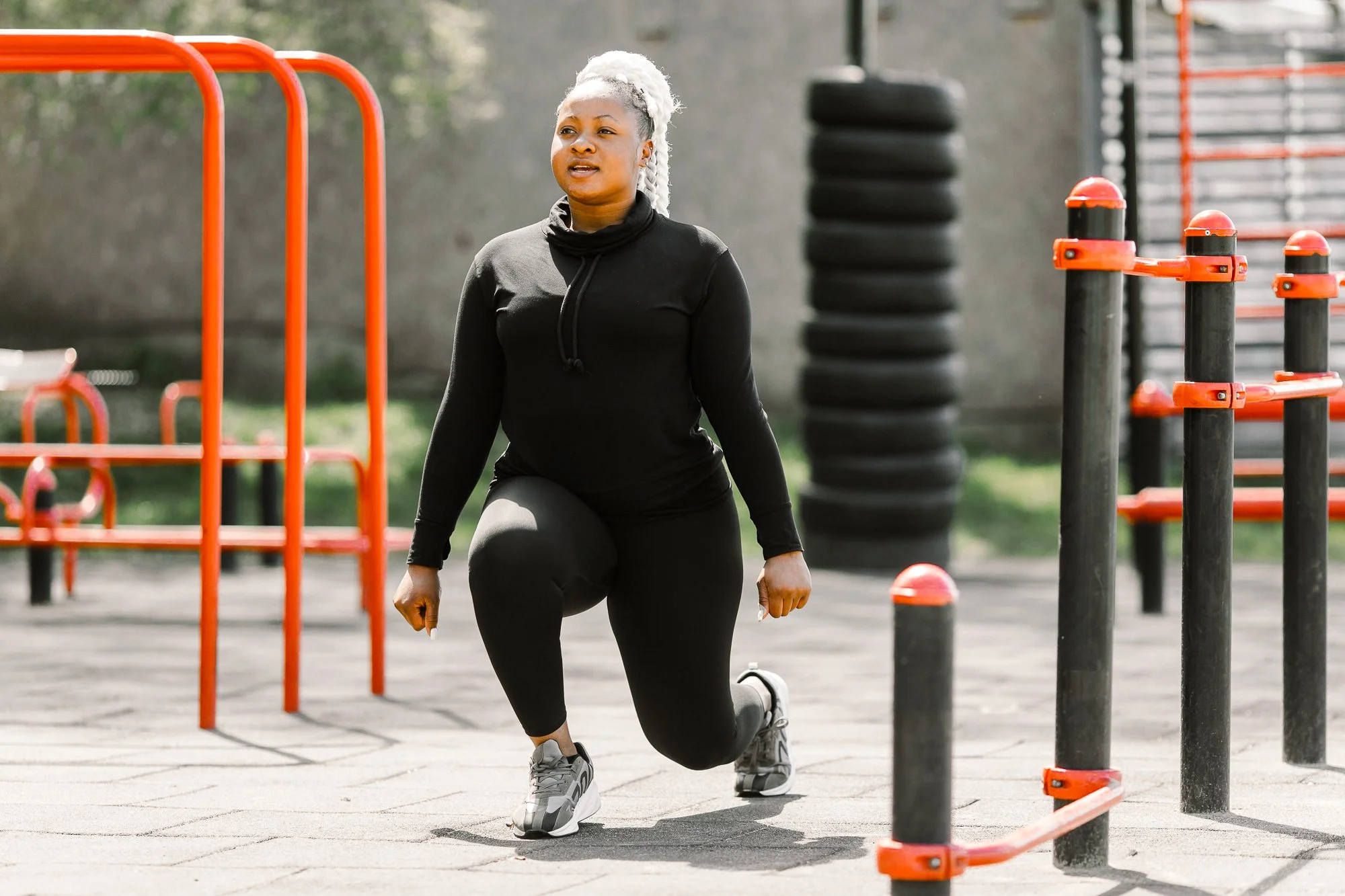
It’s no surprise that the health of U.S. adults is less than ideal. According to the Center for Disease Control and Prevention (CDC), 90 percent of the nation's $4.9 trillion in annual health care expenditures is for people with chronic physical and mental health conditions.
Chronic diseases such as heart disease, cancer, and diabetes are the leading causes of death and disability in the United States. Many chronic diseases are preventable through adjustments in daily lifestyle habits. These are behaviors we know are important but are not always easy to prioritize: physical activity, structured exercise, fueling our bodies with healthier foods, and quality sleep. All of these behaviors are foundational to our physical energy and health. Because these behaviors can be quantified and measured, such as on tracking a device, physical energy is considered the quantity of your energy. Physical energy provides energy for your body to function, brain to think, and to regulate your emotions. The more you take care of yourself in this domain, the better your energy, health and well-being will be.
Our Bodies Were Meant to Move
For most of human history, we have been an active species. Before modern times, humans hunted and gathered food, farmed, walked for transportation, and performed manual labor through housework, cooking, and cleaning. While much of this has disappeared in Western culture, there are still parts of the world that get more activity than Americans. Some European countries, for example, are more physically active, such as biking and walking in lieu of cars. There are also some industries that are more active than others, such as healthcare, facilities, service, food and hospitality, to name a few. However, most U.S. adults fall short of the recommended levels for physical activity and exercise, both of which play a significant role in health outcomes.
Recommendations for Physical Activity and Exercise
There is a difference between physical activity and exercise. Physical activity is movement that is carried out by skeletal muscles that requires energy. It can be any bodily movement. Exercise is a sub-category: planned, structured, repetitive, and intentional movement intended to improve or maintain physical fitness. These terms can be used interchangeably when talking about daily movement more broadly.
All healthy adults aged 18 to 65 years should participate in moderately intense physical activity for a minimum of 30 minutes five days per week, or vigorously intense activity for a minimum of 20 minutes three days per week. Moderate exercise includes activities such as brisk walking, biking, swimming, and mowing the lawn. Vigorous exercise includes activities such as running, swimming laps, heavy yardwork, and aerobic dancing.
Additionally, every adult should perform muscle strength and endurance training for a minimum of two days per week. Use a weight or resistance level heavy enough to tire your muscles after about 12 to 15 repetitions. Flexibility is also important, especially as we get older. Adults should hold stretches for 10 to 30 seconds at a slight discomfort, stretching two to three times per week.
Exercise for Energy
It might sound counter-intuitive, but exercise helps your energy levels. While you might feel tired after an exercise session, long-term, cellular level changes occur inside your body when you exercise. Mitochondria 一 the powerhouse of cells 一 multiply and increase your body’s energy supply. Exercise boosts oxygen circulation and hormones that make you feel more energized. Regular exercise also helps you sleep better, which improves your daily energy.
Behavior Change Strategies
Exercise is simple but not easy. There are many components to an exercise program, physically and mentally: ability, motivation, time, energy, and more. If you are new to exercise, it’s important to start slow and build. Begin with a couple of days per week and work your way up to the full recommended time. Here are some ideas to help you adhere to a physical activity or exercise program:
Integrate movement and exercise into your daily life. Schedule exercise and physical activity as non-negotiable appointments.
Set SMART goals. Goals can help you see progress and where you need to adjust.
Engage in activities that are fun and enjoyable. This may mean you need to try an activity to see if you like it or not. You’re more likely to continue with the activity if you enjoy it.
Use cues and reminders, such as putting sneakers by the door or packing a gym bag and putting it in your car.
Socialize your workouts and exercise by doing activities with friends and family.
Prioritize safety. Seek a physician’s clearance if needed, and plan movement and exercise programs safely. Personal trainers can be a valuable resource if you have the financial means to afford one.
Determine your accountability system. Who are you checking in with? How are you monitoring progress? What does success look like for you?
Behavior change is not an overnight process. It takes time. You need to give yourself grace (Colossians 3:15) for the days that don’t work out as planned (pun intended!). Lean on God's strength rather than self-condemnation (Philippians 4:13). It can be helpful to have an alternative plan. Let’s say you are not able to fit in a workout. What is the alternative? Maybe it’s getting more movement throughout the day instead of the structured 30-minute session. This is fine! You can pick up the next day where you left off.
A common question fitness professionals get is what is the best time of day to exercise? The answer: whatever time works best for you! This will depend on your schedule, family structure, and when you have the best energy to exercise.
Lastly, it is important to rest (Psalm 23:2-3). Physical rest helps you to feel more energized and allows your muscles to build and grow. This doesn’t mean binging Netflix (which is OK every once in a while) but purposeful physical and mental rest one day of the week. Our energy oscillates and recovery time is important. Gradually, you will begin to notice your physical energy is better maintained throughout the day. Your energy levels will expand, allowing you to better engage with the people, places and experiences around you.
Megan Amaya is an associate clinical professor, director of health & wellness, board-certified health coach, and certified group fitness instructor.